Parents want the best for their children. We want them to succeed, to be happy, and to grow into confident, capable learners. Yet many parents—especially those new to homeschooling—expect school to be a constant struggle and assume their children will naturally dislike learning.
It doesn’t have to be that way.
In fact, there are many practical, research-supported ways parents can help children love learning—not just tolerate it. Whether you homeschool or simply want to foster curiosity at home, these strategies can make a lasting difference.
Create a Learning-Friendly Home Environment
Helping your child love learning starts with creating an atmosphere where learning feels natural, not forced.
A learning-rich home includes:
- Books within easy reach
- Open-ended toys like blocks, puzzles, and art supplies
- Opportunities for creativity, imagination, and problem-solving
Children learn best through play, especially in the early years. Activities like building forts, drawing, pretend play, and exploring outdoors all support brain development, confidence, and curiosity.
Equally important:
- Limit screen time
- Allow time for outdoor play
- Let children experience boredom
When children are given space to explore, manipulate their environment, and test boundaries, they become more curious and confident learners. An environment that values exploration and adventure lays the foundation for a lifelong love of learning.
Visit New Places and Explore the World Together
Learning doesn’t only happen at home—it happens everywhere.
Frequent outings such as:
- Parks and nature trails
- Libraries
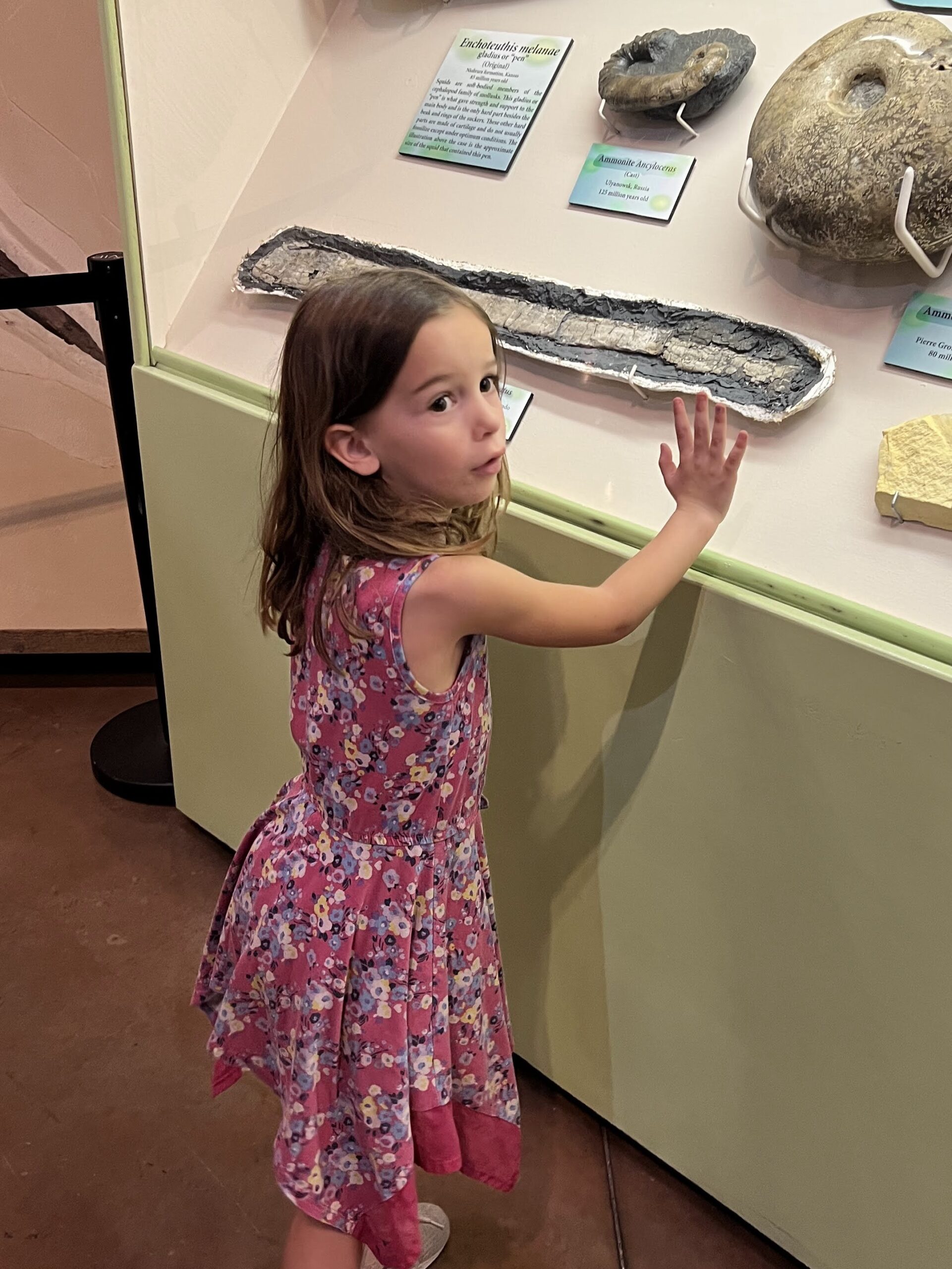
- Museums and science centers
- Hikes and community spaces
expose children to new ideas, people, and environments. These experiences help children understand the size and diversity of the world and often reveal new interests and strengths.
For maximum benefit:
- Allow children to explore at their own pace
- Don’t rush through exhibits or activities
- Let them notice details, ask questions, and lead occasionally
When children are allowed to take ownership of their experiences—whether that means stopping to examine insects or climbing rocks—those moments become meaningful and memorable learning opportunities.
Read Together Every Day
Reading together is one of the most powerful ways to help a child love learning.
Benefits of reading aloud include:
- Increased vocabulary
- Stronger language skills
- Easier transition into independent reading
- Positive emotional associations with learning
Reading also builds connection. When children associate books with warmth, comfort, and shared time, they are far more likely to approach learning with enthusiasm.
Children who see their parents reading and enjoying books learn to value reading themselves. This shared activity creates positive memories—and those positive emotions make learning feel exciting rather than intimidating.
Give Your Child Ownership in Their Education
Many parents feel pressure to control every detail of their child’s education, often out of fear of “missing something.” This can lead to what some call white-knuckle parenting—where children have little room for independent discovery.
Research shows that children learn and retain information better when they are genuinely curious. When kids explore topics they care about, their brains activate natural reward systems that motivate them to keep learning.
To support this:
- Let your child help choose topics or projects
- Allow input on the order of subjects
- Encourage curiosity-driven questions
Parents still guide the overall direction, but children who have a voice in their education are more engaged, motivated, and eager to learn.
Conclusion: Learning Thrives in Relationship
There are many ways to help your child love learning, but they all share one core principle: connection.
When parents position themselves not just as instructors, but as companions in discovery, learning becomes a shared journey. By creating space for curiosity, exploration, and independence—and by loosening control where appropriate—parents can support deeper learning with less resistance.
As a bonus, this approach doesn’t just improve education.
It strengthens relationships, builds trust, and creates joy along the way.