How to Start Homeschooling: A Simple Guide for Overwhelmed Parents
If you’ve been thinking about homeschooling, you probably have a lot of questions.
Can I really do this?
What if I mess it up?
How would this even work with my life?
You are not alone.
Most parents don’t struggle with wanting to homeschool.
They struggle with knowing how to make it work in a way that feels simple and doable.
This guide will walk you through what homeschooling actually looks like and how to get started without feeling overwhelmed.
How do I start homeschooling?
To start homeschooling, check your state homeschool requirements, withdraw your child from school if needed, choose a simple plan for math and reading, create a flexible daily routine, and add support as you go. Homeschooling does not have to look like public school at home. Most families begin with a simple structure and adjust as they learn what works best for their child.
If you’re not sure where to begin, take our free Homeschool Roadmap quiz. After answering a few quick questions, you’ll get a personalized next step for your family.
Get your free Homeschool Roadmap
What is homeschooling, really?
Homeschooling is when parents take the lead in their child’s education instead of relying on a traditional public or private school.
It does not mean:
- Sitting at a desk all day
- Recreating public school at home
- Teaching every subject perfectly
In most homeschool families, learning happens in shorter, focused blocks. Parents often use flexible schedules and bring in support when they need it.
Homeschooling works best when it is simple, flexible, and built around your child.
Am I going to mess this up?
Many new homeschool parents worry they will mess up their child’s education, but this fear usually comes from caring deeply.
This fear is extremely common, and it usually comes from caring deeply.
The truth is that homeschooling is not about being perfect.
It is about being consistent, paying attention to your child, and adjusting when needed.
A simple plan and steady support can help you feel more confident as you begin.
Can I homeschool and still work full time?
Yes, many parents homeschool while working full time by using flexible schedules, short learning blocks, independent work, and outside support.
Many working homeschool families start by focusing on core subjects like math and reading. They often use shorter learning blocks, independent work, live classes, and support from a homeschool community to make homeschooling more manageable.
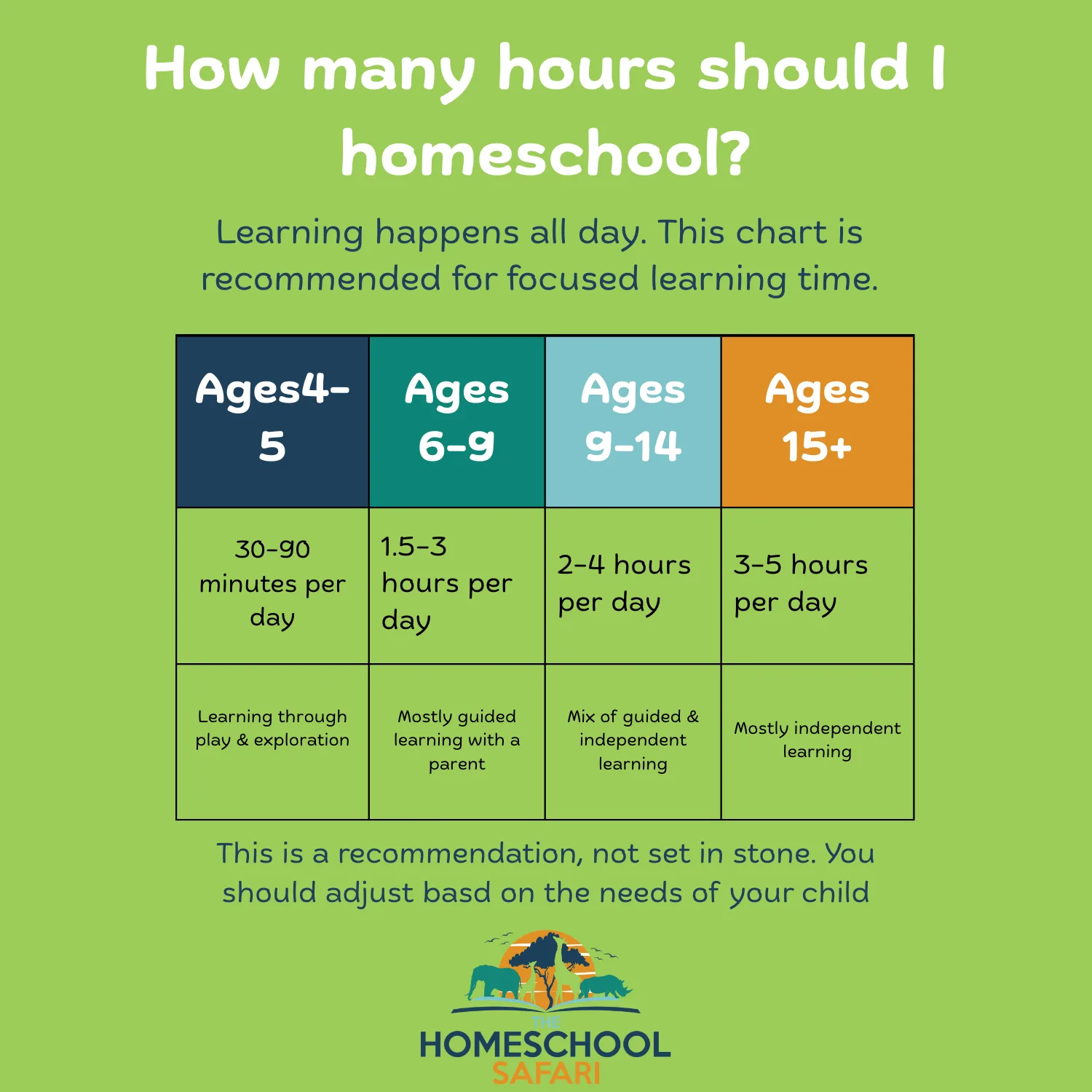
Homeschooling does not need to take 6–8 hours a day. In fact, for many families, 2–4 focused hours is enough.
A homeschool community like Homeschool Safari can also help working parents feel less alone by providing structure, encouragement, resources, and support as they build a routine that works for their family.
What does a homeschool day look like?
A homeschool day usually includes a few focused learning blocks, breaks, independent work, and real-life learning.
A basic structure might look like this:
Morning:
- Math
- Reading or writing
Midday:
- Break or independent work
Afternoon:
- Science, history, or a class
- Activities or time outside
The rest of the day is spent living life, which is also part of learning. For example, children can practice fractions while cooking, identify the main idea while reading a book or watching a movie together, and learn responsibility through chores and family routines.
This rhythm can be adjusted for working parents, younger children, multiple kids, outside classes, or family activities.
How many hours a day do you homeschool?
Most homeschool families spend fewer hours on formal lessons than traditional schools because learning is more focused and personalized.
- 1–3 hours with younger children
- 3–5 hours with older students
The exact amount of time depends on the child’s age, attention span, learning needs, and family schedule.
What is the best homeschool curriculum?
The best homeschool curriculum is the one that fits your child, your schedule, your budget, and your ability to use it consistently.
The best choice is the one that:
- Fits your child
- Fits your schedule
- You can actually use consistently
Most families start with:
- Math
- Reading
Then add other subjects over time.
If you want something more structured, using a program that provides a clear plan can make a big difference. For beginners, it is usually better to start simple than to buy too many programs at once.
What if I’m not a teacher?
Contrary to what some people believe, you do not need to be a certified teacher to homeschool. Your role is to guide, support, and organize your child’s learning, not to know everything or teach every subject perfectly.
Many homeschool parents use curriculum, live classes, outside resources, and homeschool communities to support areas where they need help.
Parents can learn alongside their children and bring in help for subjects that feel harder to teach alone. If you want help with subjects that feel harder to teach alone, Homeschool Safari offers private lessons and curriculum support for families.
How do I know if my child is learning enough?
You can know your child is learning enough by looking for steady progress, growing confidence, regular practice, and understanding over time.
In homeschooling, progress is not about keeping up with a system.
It is about steady growth over time.
If your child is:
- Practicing regularly
- Understanding what they are learning
- Building confidence
then they are making progress. You can also use quizzes, projects, reading progress, writing samples, and parent notes to track growth.
What if my child falls behind in homeschooling?
If your child falls behind in homeschooling, you can slow down, review missing skills, and create a plan that meets your child where they are.
If they are ready, you can move forward.
Many children do not fall behind.
They actually catch up when learning becomes more personalized.
Homeschooling can be especially helpful for children who need extra time, review, or a different teaching approach.
What if my child struggles or won’t listen?
If your child struggles or refuses to listen during homeschooling, it usually means something in the routine, lesson, pace, or relationship needs to be adjusted.
Homeschooling gives you the flexibility to:
- Change your approach
- Adjust the pace
- Try different methods
Shorter lessons, movement breaks, clear expectations, and outside support can make learning feel less stressful.
Can I homeschool multiple kids?
Yes, parents can homeschool multiple children by combining some subjects, rotating attention, and using independent work.
Parents often:
- Combine subjects like science or history
- Rotate attention
- Use independent work
Having a simple structure makes this much more manageable. Many families teach science, history, read-alouds, art, or projects together while keeping math and reading more individualized.
What about socialization?
Homeschooled children can build friendships through classes, clubs, co-ops, sports, church, community events, online groups, and homeschool activities.
Socialization in homeschooling is often more intentional because parents can choose regular opportunities for their children to connect with others. Instead of leaving every social situation to chance, homeschool families can look for communities that encourage kindness, respect, shared interests, and healthy friendships.
Some common homeschool social opportunities include:
- Live classes
- Local co-ops
- Sports or dance
- Church groups
- Field trips
- Clubs and enrichment activities
- Online homeschool communities
In a traditional school setting, parents do not always have much control over who their children spend time with each day. Homeschooling gives families more flexibility to guide social experiences while still helping children learn how to interact with different people.
Being part of a consistent homeschool community, like Homeschool Safari, can help children build real friendships over time while giving parents peace of mind that their children are connecting in a supportive environment.
What is the difference between homeschooling and an online public school?
Online public school is usually a public school program done from home. Students often follow the school’s schedule, use the school’s curriculum, attend required online classes, and complete assignments from the school.
Homeschooling is different because parents take the lead in choosing what, when, and how their child learns. Families can choose their own curriculum, set a flexible schedule, use live classes or outside support, and adjust learning to fit their child.
The main difference is control and flexibility. Online public school is still school at home. Families are usually required to live in the same state as the school, attend classes at scheduled times, complete the assigned curriculum, and participate in required state testing.
Homeschooling gives families more freedom to create a learning plan that works for their child and their life. Parents can choose the curriculum, adjust the schedule, move at the child’s pace, and bring in support when needed.
You choose:
- What your child learns
- When they learn
- How they learn
This gives you more flexibility and control.
How much does homeschooling cost?
Homeschooling costs vary because families can choose free resources, low-cost materials, paid curriculum, live classes, tutoring, or full support programs.
Some families use mostly free resources.
Others invest in curriculum, classes, or programs.
A family can start homeschooling on a small budget and add more resources later as their needs become clearer. Families can also start with the Homeschool Safari Lion’s Library, which offers free printable and digital homeschool resources with new materials added weekly.
Can homeschoolers go to college?
Yes, homeschoolers can go to college, trade school, start businesses, enter the workforce, or pursue many different paths after graduation.
Parents can prepare homeschool students for the future by:
- Tracking grades
- Keeping records of completed coursework
- Creating transcripts
- Saving writing samples, projects, and major assignments
- Preparing students for college entrance exams, if needed
- Exploring careers, internships, volunteer work, or dual enrollment
- Helping students build life skills and independence
Homeschooling does not limit a child’s future. With good records and steady preparation, homeschool students can be ready for college, careers, and life after high school.
How do I switch from public school to homeschooling?
To switch from public school to homeschooling, parents usually need to withdraw their child, follow their state homeschool requirements, and begin with a simple learning plan.
Most families:
- Withdraw their child from school
- Follow their state’s homeschool requirements
- Begin with a simple plan
The transition is often smoother when families begin with a calm routine instead of trying to recreate a full school schedule immediately.
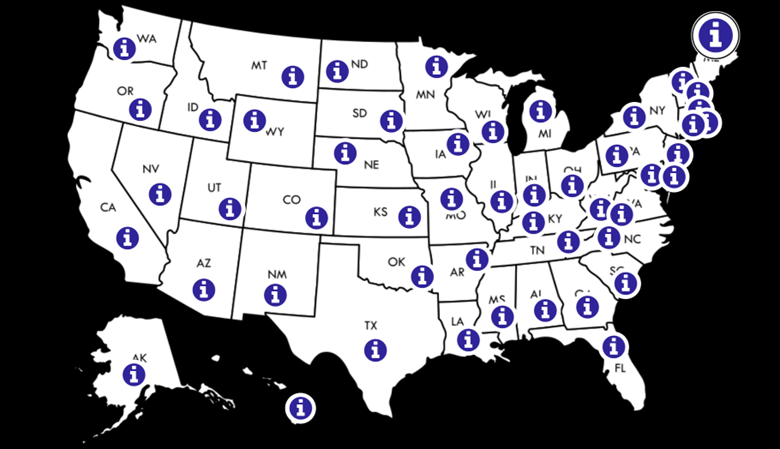
Check your state requirements. Every state has different homeschool rules, so start by reviewing your state’s requirements. You can use the Homeschool Safari Roadmap to think through your next steps, then confirm the legal details through HSLDA or your state education department.
What are the biggest challenges of homeschooling?
The biggest challenges of homeschooling are usually:
- time management
- consistency
- planning
- confidence
- trying to do everything alone.
These challenges become easier when families have a simple routine, realistic expectations, and support.
What is the biggest mistake new homeschool parents make?
The biggest mistake new homeschool parents make is trying to recreate traditional school at home.
You do not need:
- Long school days
- Complex schedules
- Large amounts of busywork
Homeschooling usually works better when it is simple, focused, flexible, and consistent.
How do I start homeschooling step by step?
Start with these simple steps:
- Check your state requirements
- Focus on math and reading
- Choose a simple curriculum
- Create a flexible routine
- Add support where needed
These steps give new homeschool families a starting point without requiring everything to be perfect on the first day.
You don’t have to do this alone
Homeschooling becomes much more manageable when you have support.
Instead of trying to piece everything together, many families choose a system that includes parent guidance, live classes, curriculum support, homeschool resources, and community.
Homeschool Safari was created to help families move forward with confidence by bringing these supports together in one place. Parents can find structure, encouragement, live learning options, and resources without feeling like they have to figure everything out alone.
If you’re feeling overwhelmed, start here
If you are not sure where to begin, take our free Homeschool Roadmap. After answering a few quick questions, you’ll get a personalized starting point to help you see what your homeschool needs next and what kind of support may help your family move forward with more confidence.
Get your free Homeschool Roadmap
Final thoughts
Homeschooling is not about being perfect. It is about creating a learning environment that works for your child and your life.
You do not have to figure everything out today. Start with one clear next step, build a simple rhythm, and add support as you go.
You can homeschool with confidence, and you do not have to do it alone.