
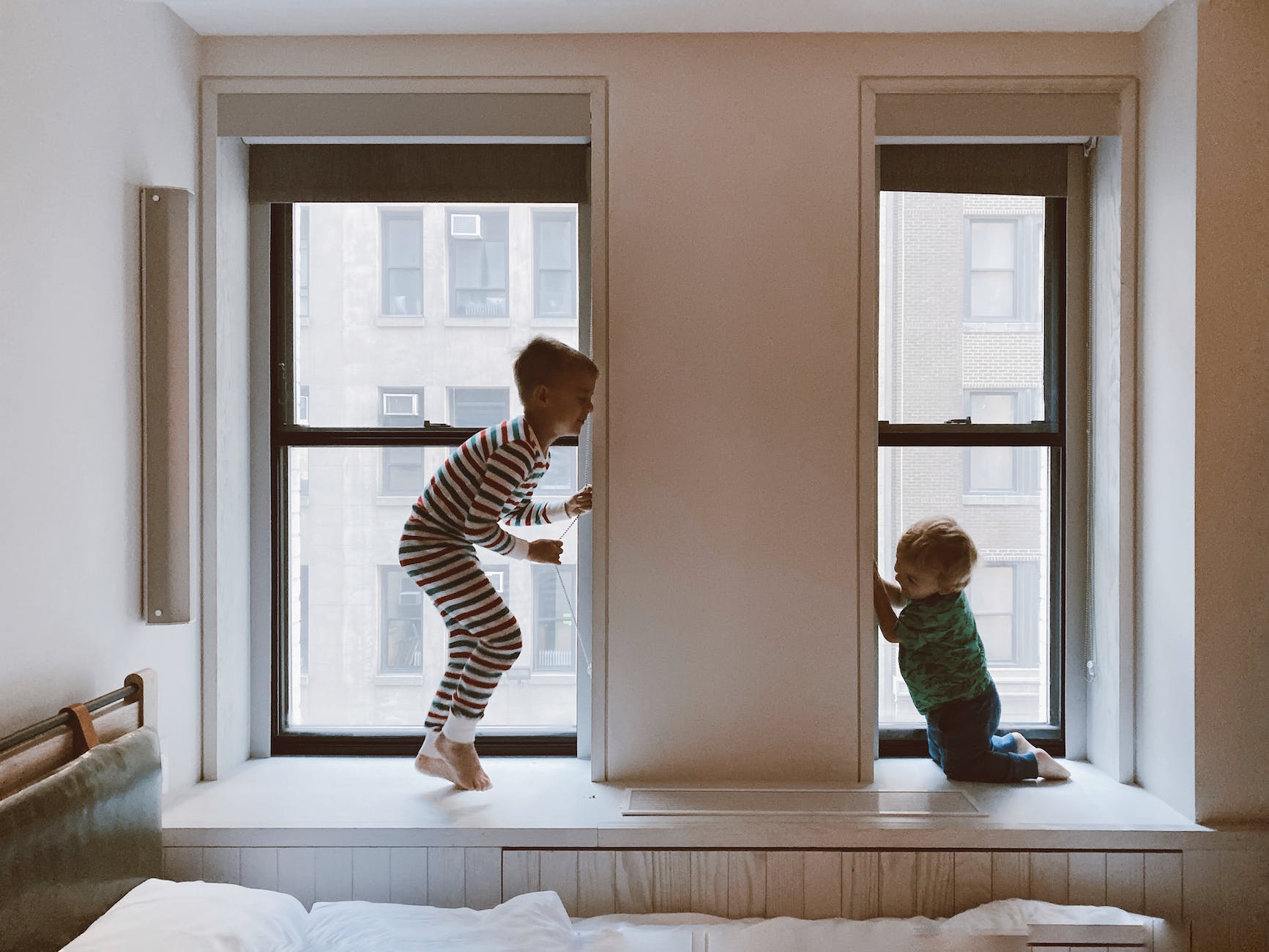
Sibling relationships are among the most influential connections in a child’s life. They shape emotional development, teach essential social skills, and often become lifelong sources of support. Yet even the closest siblings experience rivalry, disagreements, and moments of tension. For parents, nurturing a peaceful and loving sibling dynamic is key to building a stable, happy household.
This guide explores practical, family‑friendly strategies to strengthen sibling bonds, reduce arguments, and create a home environment rooted in cooperation, empathy, and respect.
Why Sibling Bonds Matter
Strong sibling relationships contribute to:
- Emotional resilience
- Better communication skills
- Healthier future relationships
- A more peaceful home environment
Whether you’re parenting toddlers, teens, or a mix of ages, investing in sibling harmony pays off for years to come.
1. Lead by Example: Model Respect and Kindness
Children learn relationship skills by watching the adults around them. Your tone, patience, and conflict‑resolution style become their blueprint.
Demonstrate:
- Calm communication
- Respectful disagreements
- Empathy toward others
When children see love and respect modeled daily, they naturally mirror those behaviors with their siblings.
2. Encourage Open, Honest Communication
Healthy communication reduces misunderstandings and builds trust. Teach your children to:
- Express feelings without yelling
- Listen without interrupting
- Use respectful words
- Share concerns calmly
A home where children feel heard becomes a home where conflicts are resolved more quickly and compassionately.
3. Give Each Child Individual Attention
Every child wants to feel seen. When siblings feel equally valued, jealousy and rivalry decrease.
Try:
- One‑on‑one outings
- Personalized praise
- Dedicated “special time” with each child
This reinforces their individuality and reduces competition for your attention.
4. Encourage Teamwork and Shared Activities
Shared experiences strengthen sibling bonds. Choose activities that require cooperation, such as:
- Cooking or baking together
- Board games
- Outdoor projects
- Household tasks
These moments teach collaboration, patience, and appreciation for each other’s strengths.
5. Set Clear Boundaries and Mediate Conflicts Calmly
Arguments are normal — aggression is not. Establish family rules about respectful behavior and step in when needed.
Some parents find visual tools helpful. For example, “The Nice Chart” can track rude or negative behavior and help children recognize patterns. Many families find it motivating and eye‑opening.
6. Teach Conflict‑Resolution Skills
Children aren’t born knowing how to solve disagreements — they learn it. Equip them with tools like:
- Active listening
- Compromise
- Taking turns
- Finding win‑win solutions
Resources like The Homeschool Mom offer excellent conflict‑resolution tools that can support your efforts at home.
7. Celebrate Sibling Connections
Make bonding moments special. Celebrate:
- National Siblings Day
- Birthdays
- Personal milestones
Encourage siblings to write notes, share compliments, or create small traditions that highlight their relationship.
8. Avoid Comparisons
Comparing siblings — even unintentionally — can create resentment. Instead, focus on:
- Individual strengths
- Personal progress
- Unique achievements
This builds confidence and reduces rivalry.
9. Validate Emotions Without Taking Sides
When conflicts arise, listen to each child’s perspective. Acknowledge their feelings and help them understand that disagreements are normal — but disrespect is not.
Validation helps children feel safe, understood, and more willing to compromise.
10. Teach Empathy Through Everyday Moments
Empathy is one of the most powerful tools for building strong sibling relationships. Encourage your children to consider:
- How their sibling feels
- Why they may be upset
- What they can do to help
Empathy transforms conflict into connection.
Conclusion: Creating a Home Where Siblings Thrive
Building strong sibling bonds is an ongoing process that requires patience, consistency, and intentional parenting. By modeling respect, encouraging communication, and teaching conflict‑resolution skills, you create a nurturing environment where your children can grow into supportive, compassionate lifelong friends.
Every family is unique — adapt these strategies to fit your children’s personalities and needs. With your guidance, your home can become a place where love, teamwork, and harmony flourish.