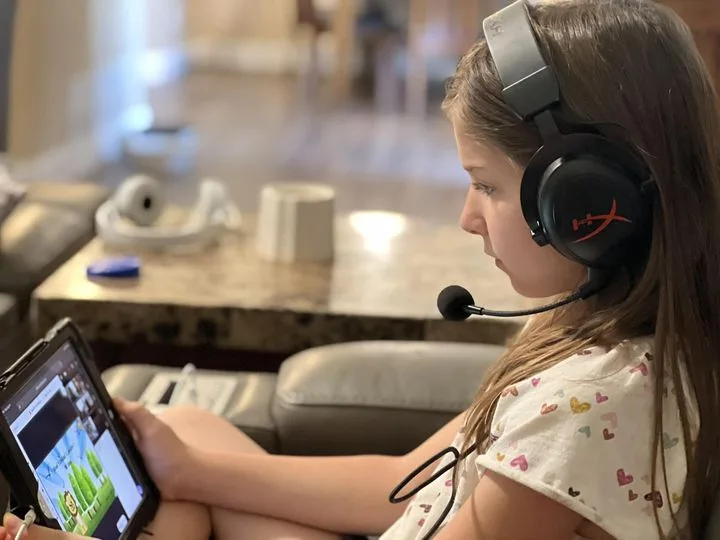
Is Learning A Second Language Important For Homeschoolers?
Learning a second language can help homeschoolers and give them benefits that last far beyond childhood. Many homeschool parents wonder if language learning is worth adding to an already full homeschool schedule.
The answer is yes.
A second language can help children build communication skills, strengthen memory, develop cultural awareness, practice problem-solving, and prepare for future opportunities. It can also be fun, especially when children get to use the language through songs, games, stories, conversation, and real interaction with others.
At Homeschool Safari, we believe language learning should feel meaningful, engaging, and doable for homeschool families. Whether your child is learning Spanish, Mandarin, or another language, the goal is not just to memorize words. The goal is to help children connect, communicate, and grow.
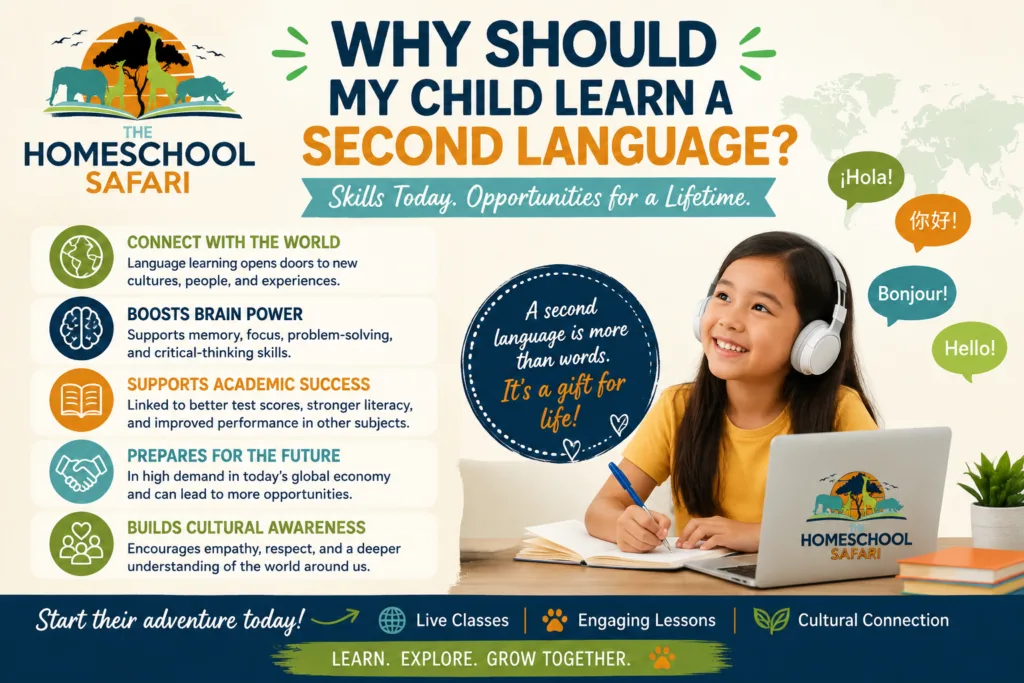
What Are the Lifelong Benefits of Learning a Second Language?
According to ACTFL, “Learning a second language can support children academically, socially, and personally.” It gives students a skill they can use now and continue building throughout their lives.
Here are a few important reasons to help your child learn another language:
- Language learning can be fun and engaging.
- Children can learn about cultures from around the world.
- A second language can become a meaningful extracurricular activity.
- Language study can support memory, focus, literacy, and problem-solving.
- Speaking another language can help children communicate with more people.
- Language skills may create more opportunities in school, travel, service, and future careers.
Children do not have to become fluent overnight to benefit. Every word, song, conversation, and practice session helps build a foundation.
Does Learning a Second Language Help Children Academically?
Learning a second language can support academic growth in several ways for homeschoolers.
When children learn another language, they practice listening carefully, noticing patterns, remembering new words, comparing grammar structures, and making meaning from context. These skills can connect to reading, writing, critical thinking, and problem-solving.
World language study has also been connected to benefits such as stronger literacy development, academic achievement, and standardized test performance.
For homeschool families, this means language learning can be more than an extra activity. It can become part of a well-rounded education.
Can Learning a Language Improve Critical Thinking Skills?
Yes, language learning can help children practice critical thinking.
When a child learns a new language, they are constantly making connections. They compare sounds, words, sentence patterns, meanings, and cultural ideas. They have to think about how to communicate clearly, even when they do not know every word yet.
This builds problem-solving skills.
For example, a child may ask:
- What does this word sound like?
- Does this word remind me of another word I know?
- What clue can I use to understand this sentence?
- How do I answer if I only know part of the phrase?
- What is the speaker trying to say?
These are valuable thinking skills that can carry into other subjects.
How Does Language Learning Support Brain Development?
Learning a second language gives the brain meaningful practice.
Children use memory when they recall vocabulary. They use attention when they listen for sounds, flexible thinking when they switch between languages, and they use problem-solving when they try to understand or respond.
Language learning may help children build:
- Memory skills
- Listening skills
- Focus
- Flexible thinking
- Pattern recognition
- Communication skills
- Confidence with new challenges
Even short, consistent practice can help children become more comfortable learning something new.
Can Learning a Second Language Help With Test Scores and School Skills?
Language learning can support homeschool skills because it strengthens listening, reading, vocabulary, memory, and attention.
Some studies and language education organizations connect world language study with academic benefits, including literacy growth and stronger performance in other subjects. While learning a language is not a magic fix for every academic struggle, it can be a valuable part of a child’s overall learning experience.
For homeschool families, this is a helpful reminder: language learning is not a distraction from academics. It can support academic growth while also giving children a new way to connect with the world.
How Does Learning a Language Build Cultural Awareness?
One of the most beautiful reasons to learn another language is that it helps children understand people and cultures beyond their own home.
Language and culture are deeply connected. When children learn greetings, songs, stories, foods, traditions, and everyday phrases from another language, they begin to see the world from a broader perspective.
Language learning can help children:
- Appreciate other cultures
- Communicate with more people
- Show respect for different backgrounds
- Become curious about the world
- Build empathy
- Understand that people may think, speak, and live differently
This is especially meaningful for homeschool families who want their children to grow in both knowledge and character.
Why Are Language Skills Important for the Future?
We live in a connected world. Many careers, communities, and service opportunities are strengthened by the ability to communicate with people who speak another language.
Language skills can be helpful in fields such as:
- Education
- Healthcare
- Business
- Ministry
- Travel
- Technology
- Customer service
- Government
- Translation and interpretation
- International work
- Community service
Even if your child does not know exactly what they want to do in the future, learning a second language can give them a useful skill and a broader view of the world.
What If I Do Not Speak the Language Myself?
Many homeschool parents avoid language learning because they do not speak the language themselves. That is understandable.
It can feel hard to teach Spanish, Mandarin, or another language from a book if you are not confident with pronunciation or conversation.
The good news is that you do not have to teach it alone.
Parents can support language learning by:
- Playing songs
- Reviewing vocabulary
- Using flashcards
- Reading bilingual books
- Practicing simple greetings
- Labeling objects around the house
- Encouraging daily practice
- Helping children attend live classes consistently
A live teacher can help with pronunciation, conversation, correction, and confidence.
Why Is Live Conversation Practice Helpful?
Language is meant to be used with people.
Books, apps, and videos can be helpful tools, but students also need chances to hear the language and respond out loud. Live conversation gives children a reason to use what they are learning.
When students practice with a live teacher and other children, they can:
- Hear correct pronunciation
- Practice speaking
- Listen to real questions
- Respond in real time
- Learn from classmates
- Build confidence
- See language as communication, not just memorization
This is one reason Homeschool Safari offers Spanish and Mandarin learning opportunities with live teachers and group practice.
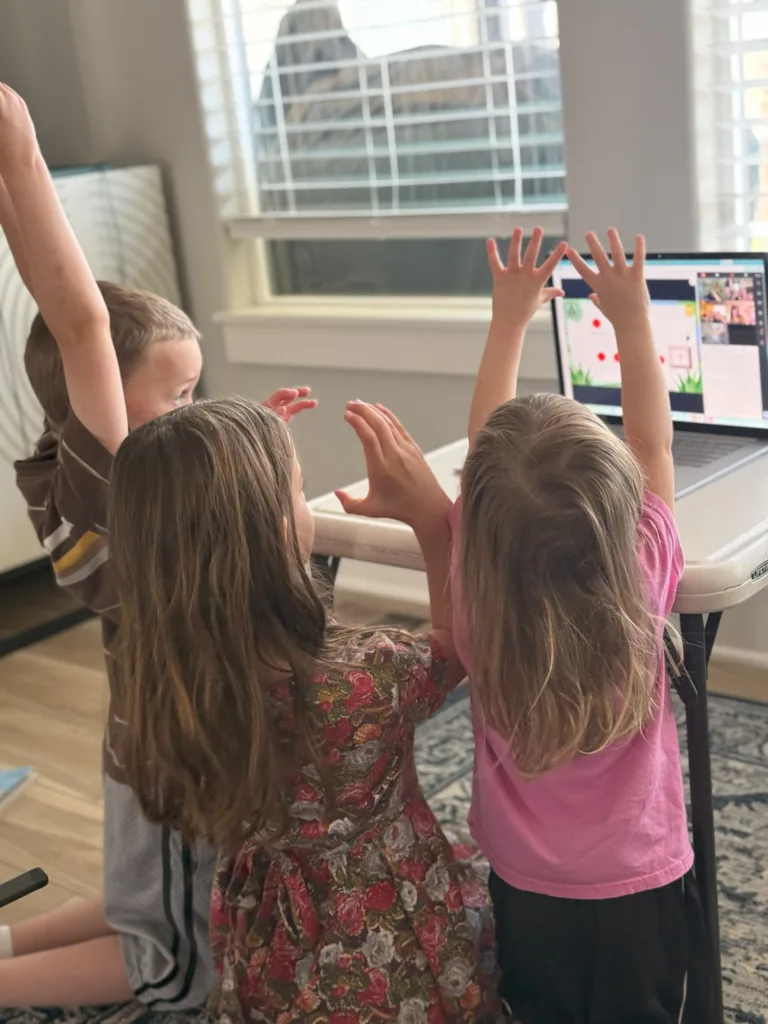
How Can Homeschool Safari Help My Child Learn Spanish or Mandarin?
Homeschool Safari supports homeschool families with live classes, curriculum, printable and digital resources, parent support, and community.
For language learning, we offer opportunities for students to learn and practice Spanish and Mandarin in a more interactive way. Instead of only studying from a workbook, children can hear the language, practice vocabulary, use simple phrases, and build confidence with support.
Our goal is to help families make language learning feel less intimidating and more joyful.
Homeschool Safari can support families through:
- Spanish learning opportunities
- Mandarin learning opportunities
- Live teacher interaction
- Group practice
- Vocabulary building
- Songs and games
- Printable and digital resources
- Parent support
- Homeschool community
How Can My Child Get Started With a Second Language?
Start small.
You do not need a perfect plan to begin. Choose one simple step this week.
Your child can:
- Learn five new words
- Practice greetings
- Listen to a song
- Watch a short language lesson
- Label items around the house
- Read a bilingual book
- Practice with flashcards
- Join a live language class
- Use one new phrase each day
The most important thing is consistency. A little practice done often is better than a lot of practice done only once in a while.
Frequently Asked Questions
Why should my child learn a second language?
A second language can help children build communication skills, memory, problem-solving, cultural awareness, and confidence. It can also prepare them for future academic, travel, service, and career opportunities.
What language should my child learn first?
The best language depends on your family’s goals, interests, and opportunities. Spanish is a practical choice for many families in the United States. Mandarin can also be a valuable language for children who are interested in global cultures and communication.
Can my child learn a language if I do not speak it?
Yes. Parents can support practice at home, and live teachers can help with pronunciation, conversation, and structured language learning.
Is language learning good for homeschool kids?
Yes. Language learning can be a strong addition to a homeschool education because it supports communication, memory, culture, listening, and critical thinking.
Does Homeschool Safari teach Spanish and Mandarin?
Yes. Homeschool Safari offers Spanish and Mandarin learning opportunities for homeschool families.
Final Thoughts
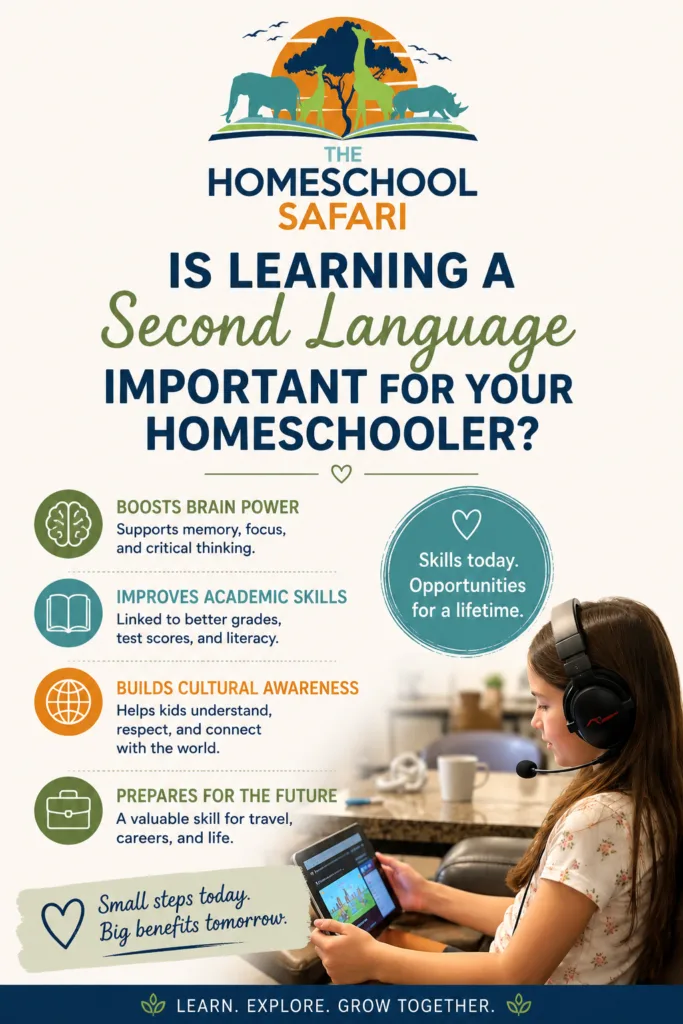
Learning a second language can help children grow academically, socially, and personally. It can strengthen thinking skills, support communication, build cultural awareness, and open doors for the future.
Your child does not have to become fluent right away. The goal is to begin, practice consistently, and build confidence over time.
Whether your child is learning Spanish, Mandarin, or another language, every step matters.
Language learning is a gift that can continue growing for a lifetime.